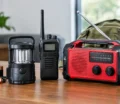


A missed turn, a delayed pickup, and a driver stranded at a loading gate can all become bigger problems when dispatch cannot reach the cab. Effective trucking radio implementation gives fleet teams a direct, dependable way to coordinate drivers, yard staff, maintenance, and managers without asking employees to rely on personal phones or scattered text threads.
The right system is not simply a matter of buying radios and handing them out. A useful trucking communications plan begins with the routes your drivers run, the places they lose coverage, the urgency of different call types, and who needs to hear what. For a local delivery operation, that may mean clear group calling between dispatch and 20 drivers. For a regional or national fleet, it may mean Push-to-Talk over Cellular radios with broad coverage, location tools, and separate talk groups for terminals, drivers, and supervisors.
Start Trucking Radio Implementation With the Work
Before choosing a radio platform, map the communication moments that affect the day. Dispatch may need to redirect a driver around an accident. A driver may need immediate instructions after a customer changes a dock assignment. Yard personnel may need to coordinate trailer moves without tying up the dispatch channel.
These are different communication jobs. Treating them all as one open channel often creates noise, missed calls, and frustration. A short operational review should identify who initiates calls, who needs to receive them, and whether messages are urgent, routine, or private.
Ask practical questions early. Are drivers primarily local, regional, or long-haul? Do they work in cellular dead zones, industrial yards, ports, mines, or rural areas? Does dispatch operate from one office or several terminals? Are drivers using gloves, working in rain, or climbing in and out of trucks all day?
The answers shape the equipment and the network design. A compact consumer-style device may be adequate for occasional coordination, but it is rarely the right fit for an all-day commercial fleet environment. Drivers need loud audio, simple controls, durable accessories, and charging that fits a real shift schedule.
Choose the Right Radio Technology for the Route
Most trucking fleets benefit from one of two approaches: Push-to-Talk over Cellular, often called PoC, or conventional two-way radio systems such as DMR. Some operations use both.
When PoC is the practical choice
PoC radios use commercial cellular networks and function much like a professional radio, with a dedicated push-to-talk button, managed talk groups, and typically nationwide coverage where the selected carrier has service. They can be a strong choice for fleets that cross city, county, or state lines and need dispatchers to reach drivers without building a large private radio network.
PoC also supports fleet features that matter to operations teams, including individual calling, group calling, priority calling, GPS location reporting, emergency alerts, and dispatch applications. Because the radio is built for push-to-talk use, it is generally faster and less distracting than placing repeated phone calls.
The trade-off is straightforward: cellular coverage still matters. If a route includes known weak-service areas, verify performance there before standardizing on a device or carrier. Coverage maps are useful, but road testing on actual routes is better.
When DMR or private two-way radio makes sense
DMR and other licensed land mobile radio systems are often a better fit when communication is concentrated around a terminal, warehouse, jobsite, yard, or local service area. A properly designed system can provide consistent local coverage without depending on commercial cellular service.
This approach may require FCC licensing, frequency coordination, repeaters, antennas, and ongoing infrastructure maintenance. It is more involved than activating PoC devices, but it gives an organization greater control over its local communications. For fleets operating at fixed facilities with difficult building penetration or remote-property coverage needs, that control can be worth the investment.
A hybrid design is common. A fleet might use DMR for yard and terminal operations while equipping road drivers with PoC radios. The goal is not to force every team onto the same technology. The goal is to make sure every team can communicate reliably where it works.
Build Talk Groups Around Decisions
Talk groups should reflect how work gets done, not an organizational chart that looks good on paper. A single companywide channel may seem simple, but it becomes unusable as call volume increases. Drivers hear conversations that do not concern them, dispatchers repeat messages, and urgent traffic gets buried.
For many fleets, separate groups for dispatch, individual terminals, yard operations, maintenance, and management are a sound starting point. Drivers assigned to a specific route or region can be placed in the appropriate group, while supervisors retain access to broader operational channels.
Keep the design restrained. Too many groups can be as confusing as too few. A driver should not have to scroll through a long list to find dispatch during a delivery issue. Name groups clearly, use consistent naming across devices, and document who belongs in each group.
Decide how emergency traffic will work before an incident happens. If radios include an emergency button, define what occurs when it is pressed: who receives the alert, whether location is included, how dispatch acknowledges it, and what escalation follows if the driver does not respond. Technology helps, but only a documented response process turns an alert into a useful safety tool.
Install for the Cab, Not the Sales Counter
A radio that works perfectly on a desk can become a nuisance in a truck if the installation ignores driver workflow. Mounting location, microphone placement, charger access, and speaker volume all affect whether drivers actually use the equipment correctly.
For vehicle-mounted radios, install antennas and power connections properly. Poor grounding, inferior cable routing, or an incorrectly placed antenna can reduce performance and create avoidable service calls. Equipment should be positioned where the driver can operate it without blocking controls, sightlines, or access to essential cab functions.
For handheld PoC radios, evaluate vehicle chargers, belt clips, remote speaker microphones, and external antennas where appropriate. A driver who must hunt for a charging cable at the end of every shift is more likely to begin tomorrow with a dead radio. Standardized charging practices matter as much as battery capacity.
Pilot installations with a small group of experienced drivers before committing to a fleetwide rollout. They will quickly identify practical issues that are easy to miss in a conference room: a microphone cord that catches on a seat belt, a mount that vibrates loose, or audio that is too low with the windows down.
Train for Clear, Useful Radio Traffic
Radio training does not need to be lengthy, but it must be specific. Drivers should know how to select the correct talk group, make a private call, send an emergency alert, charge the device, and report a problem. Dispatchers need the same understanding, along with clear expectations for monitoring channels and responding to priority traffic.
Set simple radio etiquette standards. Identify yourself when needed, keep routine transmissions brief, wait for the channel to clear, and move detailed discussions to a private call when possible. These habits reduce congestion and make the system more effective during busy periods.
Training should also cover device responsibility. Define who receives each radio, how transfers are recorded, what happens if a device is damaged or lost, and where units are returned when a driver leaves. Managed communications equipment is easier to support when ownership is clear.
Measure What Happens After Deployment
A successful rollout is not finished when every truck has a radio. Review how the system performs after the first few weeks and again after seasonal changes, new routes, or fleet growth. Ask dispatch where communication slows down. Ask drivers where audio, coverage, or device handling creates friction.
Useful measures include missed-call reports, emergency alert response times, coverage complaints by route, device downtime, and the number of dispatch calls that must be repeated. These details show whether the issue is training, configuration, carrier coverage, hardware, or infrastructure.
For FCC-licensed systems, keep licensing records current and address changes to frequencies, equipment, locations, or operational use before they become compliance problems. For PoC fleets, review user permissions and talk-group assignments regularly so former employees and outdated groups do not remain active.
Cogent Radios Group approaches fleet communications as an operational system, not a box of equipment. The strongest designs account for the road, the cab, the dispatch desk, and the person expected to answer when conditions change.
A good radio plan gives drivers one less thing to manage when the day gets complicated. When the next route change, dock delay, weather event, or roadside issue arrives, the right voice connection should already be in the driver’s hand.