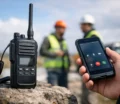

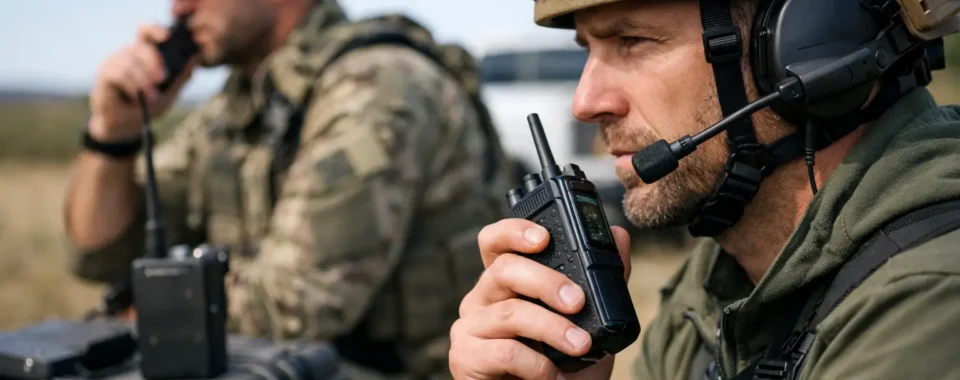

A PoC radio can put dispatch, drivers, supervisors, and field crews on one nationwide voice network in seconds. That convenience is exactly why organizations need a clear plan for how to secure PoC communications. Unlike a conventional radio channel that is limited by local RF coverage, Push-to-Talk over Cellular depends on devices, user accounts, mobile networks, Wi-Fi, cloud services, and dispatch applications. Each layer needs attention.
For most operations, the goal is not secrecy for its own sake. It is preventing unauthorized users from joining conversations, keeping sensitive operational details out of the wrong hands, limiting disruption when a device is lost, and ensuring crews can still communicate when conditions change. The right safeguards should support field work, not create a login burden that people work around.
Start with the real risks to your operation
Security decisions make more sense when they follow the way your team actually uses radios. A transportation company may be concerned about a lost radio in a truck. A hotel may need to keep staff groups separate from security communications. An event operation may need to add temporary users quickly, then remove them immediately after teardown. A utility or construction crew may operate in places where public Wi-Fi is available but should not be trusted.
The most common PoC security failures are usually basic operational problems: shared accounts, weak or reused passwords, former employees left in talk groups, unmanaged devices, and no procedure for reporting lost equipment. Encryption matters, but it cannot compensate for poor access control.
Document what information moves over the system and who needs to hear it. Dispatch assignments, customer addresses, gate codes, personnel locations, and incident details may all require different handling. This review also helps determine whether one large talk group is practical or whether operations should be divided into smaller groups by role, site, shift, or region.
Use unique identities and role-based access
Every PoC user should have an individual account. Shared logins make it difficult to know who transmitted, who changed settings, or whether a departed employee still has access. They also make offboarding unnecessarily risky.
Set permissions around job function rather than convenience. Dispatchers may need the ability to create groups, view locations, and make emergency announcements. A driver may only need access to dispatch and their assigned work group. A temporary event worker may need one group for one weekend, with no access to organization-wide contacts.
Keep talk groups purposeful
Talk groups should reflect a real communications need. Large all-company groups can be useful for weather alerts, emergency notices, or major operational changes, but they should not become the default place for routine traffic. Separating routine operations from leadership, security, maintenance, or emergency groups reduces accidental disclosure and makes radio traffic easier to manage.
Use clear naming conventions that a dispatcher and a field user can understand quickly. Names such as “North Delivery,” “Site 4 Maintenance,” and “Event Security” are more useful than vague labels or employee names. Review group membership regularly, especially after staffing changes, seasonal work, mergers, or contract transitions.
Strengthen account sign-in
Require strong, unique passwords for administrative and dispatch accounts at a minimum. Multifactor authentication should be enabled wherever the PoC platform supports it, particularly for administrators who can add users, change group permissions, or access recordings and location data.
Not every field radio has a screen or workflow suited to frequent password entry. In those cases, secure the account during provisioning, then rely on device controls, PIN protection, and centralized management. The trade-off is usability: a control that prevents a driver from starting a shift efficiently may lead to unsafe workarounds. Match authentication requirements to the device type and the user’s actual duties.
Secure the device, not just the app
A PoC radio is a network-connected endpoint. Treat it with the same discipline as a company smartphone, even when it looks and operates like a traditional two-way radio.
Begin with a device PIN or lock screen where the model supports it. Configure a short but reasonable idle timeout, and prevent users from installing unapproved applications or changing critical network settings. For Android-based PoC devices, an enterprise mobility management tool can enforce policies, inventory radios, push approved configurations, and remotely lock or erase a device when necessary.
Remote wipe is valuable, but it should be part of a response process rather than the only plan. Keep an asset record with the device serial number, assigned user, phone number or SIM identifier, and activation date. When a radio is missing, staff should know who to contact, how to suspend service, how to revoke the user session, and when to notify management.
Physical handling still matters. Issue radios with durable cases, belt clips, charging procedures, and clear shift handoff rules. A radio left on a service counter, in an unlocked vehicle, or at a public charging station is often a more immediate threat than a sophisticated network attack.
Protect cellular and Wi-Fi connections
PoC communications travel through IP networks, so connection quality and connection trust both matter. Carrier cellular data is generally a better operational choice than open public Wi-Fi for mobile teams. It is more consistent, easier to account for, and less exposed to the risks of an unknown wireless network.
When radios use Wi-Fi at a facility, secure the network with current encryption, strong credentials, and separate access for business devices and guests. Do not place PoC radios on the same unrestricted guest network used by visitors. A segmented network can limit the impact if another device on the property is compromised.
Some organizations use private cellular, managed APNs, VPNs, or dedicated network policies for higher-control environments. These can add meaningful protection, but they also add cost and administration. They are most appropriate when the operation handles sensitive data, has a large fleet, works at controlled sites, or must meet contractual or regulatory requirements.
Confirm encryption and vendor practices
Ask the PoC provider direct questions about encryption in transit, encryption at rest for stored data, account administration, audit logs, software updates, and data retention. “Encrypted” is not a complete answer. You need to know what is protected, when it is protected, and who controls access to user data, call history, locations, messages, and recordings.
If your operation records communications, establish a retention policy. Recordings can help resolve disputes, improve training, and document incidents, but unnecessary retention increases the amount of sensitive information that must be protected. Limit access to supervisors or designated reviewers, and define when recordings are deleted.
Keep software and configurations current
PoC radios, dispatch consoles, and management portals receive security updates just like computers. Delaying updates indefinitely can leave known vulnerabilities in place. At the same time, applying an update across a fleet without testing can create avoidable downtime.
A practical approach is to test major updates on a small number of noncritical devices, confirm PTT performance and group access, then schedule the broader rollout. Maintain a simple change record so your team knows which software version and configuration each device should be running.
Configuration control is equally important. Limit who can change talk groups, emergency buttons, location settings, Wi-Fi profiles, and dispatch permissions. If multiple people make changes without a process, it becomes difficult to identify why a user lost access or why an emergency alert reached the wrong group.
Build an incident process before you need one
A missing radio, suspicious login, or unauthorized transmission should trigger a predictable response. Employees should report it immediately, without worrying that they will be blamed for a simple mistake. Speed matters because a lost active device may still be signed in and connected to groups.
Your procedure should identify who can suspend the account, lock or wipe the radio, disable the SIM or data service, review recent activity, and issue a replacement. For an organization with dispatch coverage around the clock, assign primary and backup contacts for after-hours incidents. Test the process periodically using a spare device or a controlled account.
Training does not need to be complicated. Show users how to recognize a lost radio situation, protect their PIN, avoid unknown Wi-Fi networks, verify emergency button use, and report changes in employment or device assignment. A five-minute briefing during onboarding and periodic refreshers can prevent many common problems.
Balance security with field reliability
The best secure PoC setup is one that crews will use correctly under pressure. A system with overly broad access is hard to control, but a system with so many restrictions that dispatch cannot add a storm-response crew quickly can also fail the operation.
Work from a baseline: named users, controlled talk groups, protected administrator accounts, managed devices, secure network practices, current software, and a tested lost-device process. Then add stronger controls where the risk justifies them. A small local team may need disciplined account management and remote lock capability. A multi-state fleet with sensitive locations and dispatch records may need centralized device management, tighter data retention, and more formal audits.
Cogent Radios Group can help organizations match PoC equipment, coverage, group design, and device management practices to the way their people work. The most useful security plan is not a checklist filed away after installation. It is a practical operating standard that keeps the right voices connected while giving the wrong people no place to listen.