

The Real Benefits of PoC Radios!
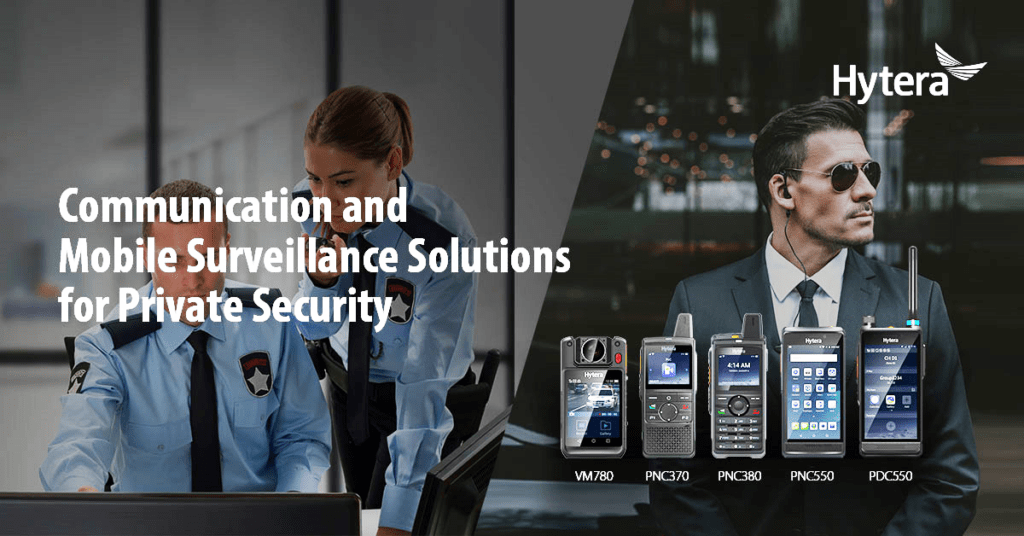
Hytera Push-to-Talk over Cellular (PoC) radios represent a powerful evolution in communication, effectively bridging the gap between traditional walkie-talkies and modern smartphones. By utilizing cellular networks such as 4G, 5G, and LTE alongside Wi-Fi, these devices bypass the limitations of local radio waves to provide unlimited range and nationwide coverage. This means that a dispatcher in Chicago can maintain crystal-clear contact with a delivery driver in New York, while families can stay connected across state lines during road trips without ever worrying about losing a signal.
Beyond range, these devices offer instant, “always-on” connectivity that far surpasses the speed of a smartphone. Instead of unlocking a screen and dialing a number, users benefit from one-touch communication where pressing a physical PTT button transmits their voice immediately to an entire group. This dedicated nature ensures the device remains a focused communication tool free from distracting apps, making it vital for both high-stakes work environments and general safety.
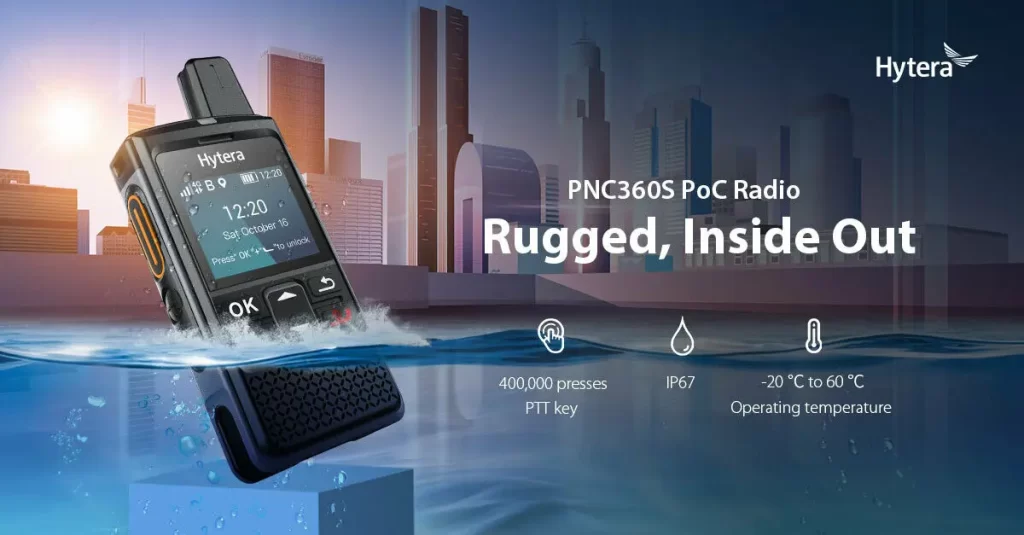
The hardware itself is engineered for professional-grade audio and extreme durability. Unlike fragile consumer phones, Hytera models like the PNC360S are built to meet military standards for shock and vibration and carry IP67 or IP68 ratings for water and dust resistance. To ensure clarity in harsh environments, they utilize AI-based noise suppression to filter out background sounds like wind, traffic, or heavy machinery, ensuring that every message is heard clearly regardless of the surroundings.
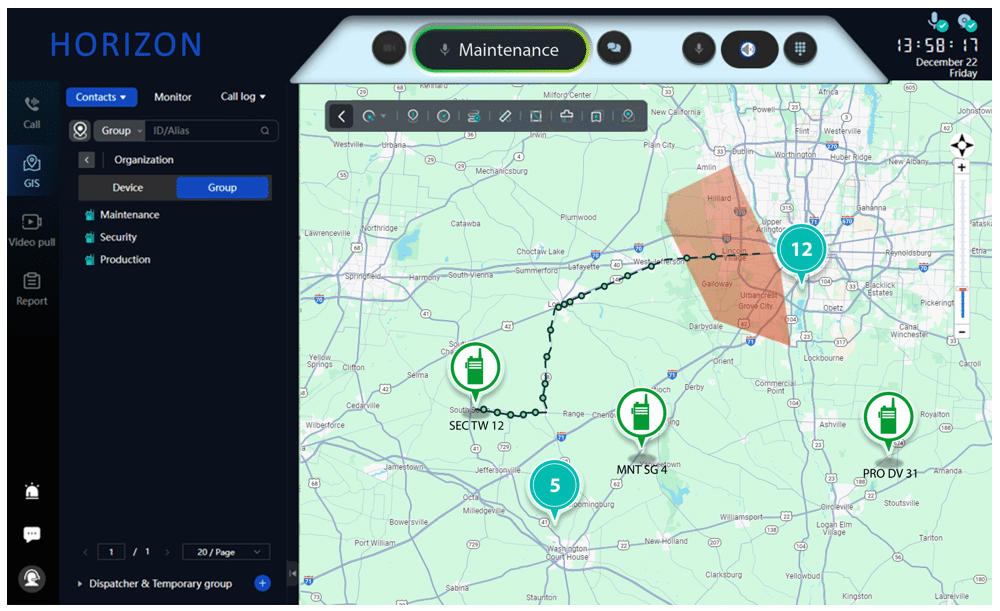
Safety and management are further enhanced through integrated digital features such as real-time GPS tracking and geofencing. Managers and parents can monitor locations via a web-based platform or receive alerts if a user enters or leaves a designated “virtual fence” like a job site or school zone. Furthermore, many models come standard with emergency protocols, including dedicated SOS buttons, “Man Down” sensors that detect falls, and “Lone Worker” timers to provide peace of mind in isolated situations.
Finally, Hytera PoC solutions offer significant cost-effectiveness by removing the need for traditional radio infrastructure. There is no requirement to purchase, install, or maintain expensive repeaters and antennas, nor is there a need to navigate the complexities of FCC licensing. Because the system operates on existing cellular frequencies, businesses and families can deploy a high-tier communication network without the heavy overhead typically associated with private radio spectrums.
The PoC and DMR meat and Potatos.
When comparing the Return on Investment for Push-to-Talk over Cellular (PoC) and Digital Mobile Radio (DMR), the primary trade-off involves balancing high upfront costs against ongoing monthly expenses. Determining which system offers a better ROI depends entirely on your project’s duration and geographical scale.
PoC (Push-to-Talk over Cellular) ROI Profile
PoC radios, such as the Hytera PNC series, offer the fastest ROI for businesses requiring wide-area coverage without investing in hardware infrastructure. The initial investment is low because you only pay for the handheld devices, eliminating the need for repeaters, antennas, or FCC frequency licenses. However, the ongoing operating expenses are high, as each radio requires a monthly data subscription and potentially a dispatch software fee. This makes PoC the ideal choice for short-to-medium-term projects lasting one to three years, or for geographically dispersed teams in logistics and construction. A significant value add for this system is the inclusion of nationwide range and GPS tracking at no additional infrastructure cost.
DMR (Digital Mobile Radio) ROI Profile
DMR radios, like the Hytera HP series, are the traditional choice for campus environments and offer the highest long-term ROI because you eventually own the entire network. The initial capital investment is high, requiring the purchase of radios, repeaters, antennas, cabling, and an FCC private frequency license. Despite this, the ongoing operating costs remain near zero; once the system is installed, there are no monthly per-user fees, leaving maintenance as the only recurring cost. This system is best suited for long-term operations over five years in fixed locations like factories, schools, or stadiums. Generally, the break-even point occurs after three to four years, at which point the total cost of a DMR system becomes cheaper than PoC because the subscription fees associated with PoC continue to accumulate.
| Feature | PoC (Cellular) | DMR (Private Radio) |
| Upfront Cost | Low (Radios only) | High (Radios + Repeaters + Licensing) |
| Monthly Fees | Yes (Data/Server fees) | No (Owner-operated) |
| Range | Nationwide / Global | Local (Extendable with repeaters) |
| Infrastructure | Uses existing cell towers | Requires your own equipment |
| Longevity | 3–5 years (Battery/Tech cycles) | 7–10+ years (Robust hardware) |
| Best ROI For | Logistics, Wide-area delivery | Single-site manufacturing, Hospitals |
Some Industries We Serve